


Metis Sauvignon Blanc was inspired by Pascal Jolivet and his holistic approach to winemaking in Sancerre. Using a unique and minimalistic approach to winemaking, we are able to make a wine that shows the true expression of the Constantia terroir. The name Metis refers to the collaboration between the two producers to craft this great wine. This fusion of philosophies is reflected in the flower on the label that is a hybrid of the South African Protea and French Iris
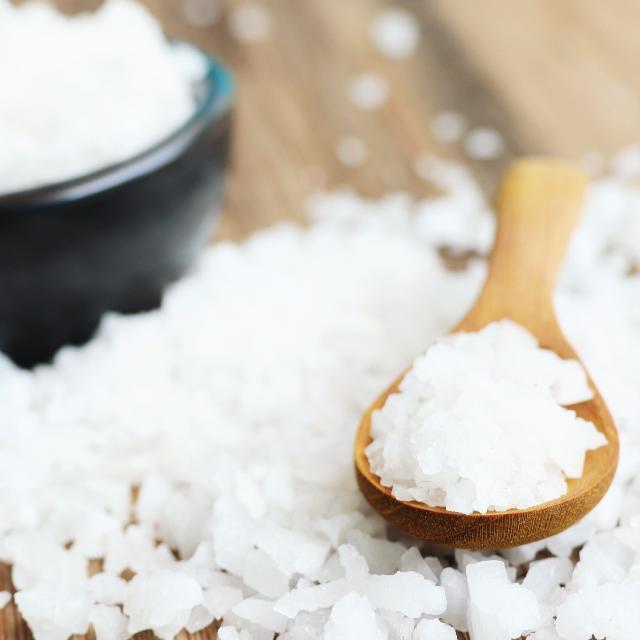
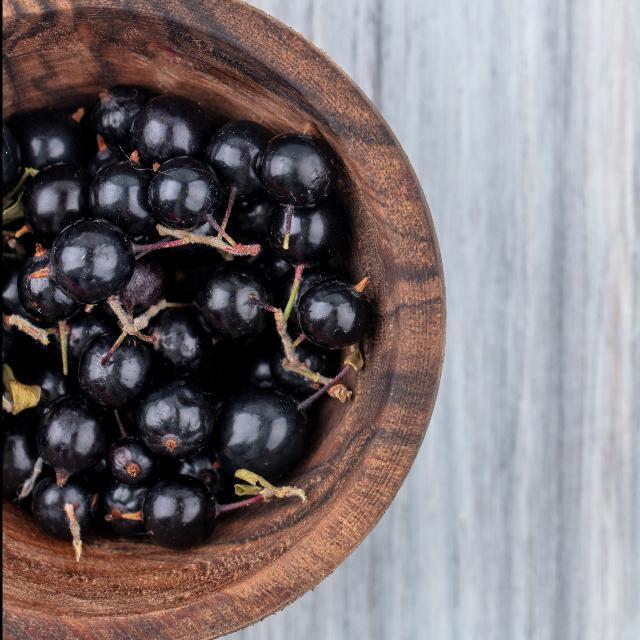
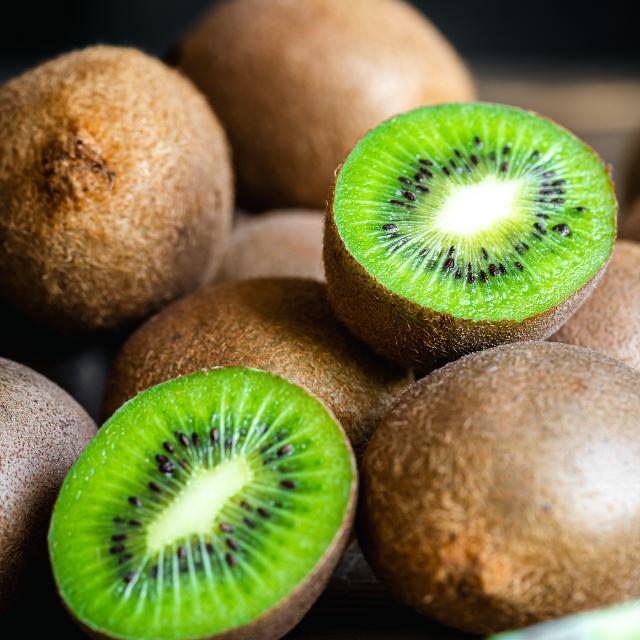
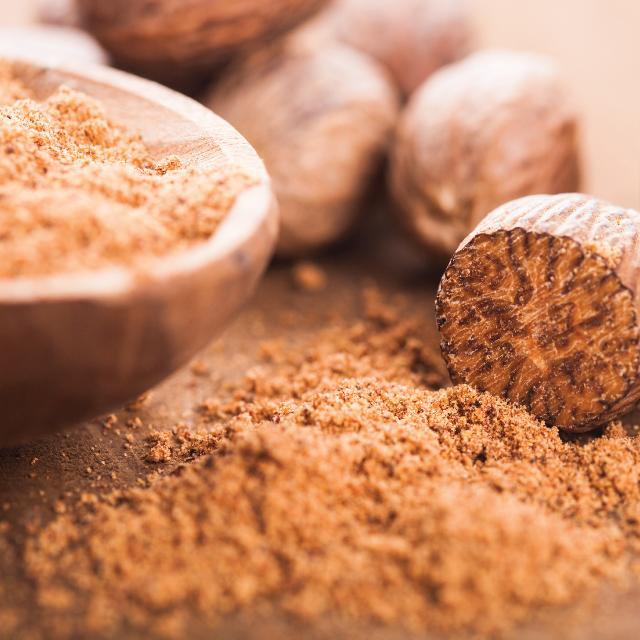
Bright and lively in appearance. Aromas of kiwi fruit, grapefruit, blackcurrant, nutmeg and sage fill the nose. A confident palate follows, full bodied and layered. Refreshing with a vibrant acidity, the wine concludes with a powerful saline finish.
Bright and lively in appearance. Aromas of kiwi fruit, grapefruit, blackcurrant, nutmeg and sage fill the nose. A confident palate follows, full bodied and layered. Refreshing with a vibrant acidity, the wine concludes with a powerful saline finish.
Harvested at 4am in order to preserve the freshness of the grapes. Each block is fermented separately to allow for the terroir to reflect before being put together to create the perfect blend.
A variety of techniques were used in order to respect the characteristic of each block. 80% wild fermentation, 20% was inoculated with Non saccharomyces Cerevisiae in order to enhance complexity and reduce the requirements of Sulphur by providing a biological microbial protection as opposed to a chemical protection.
Some ferments took up to 2 months to finish due to the wild fermentation. 10% was barrel aged in neutral oak 500L barrels. It spent 6 months on the gross lees before blending and bottling.
Winemaker: Matthew Day
A variety of techniques were used in order to respect the characteristic of each block. 80% wild fermentation, 20% was inoculated with Non saccharomyces Cerevisiae in order to enhance complexity and reduce the requirements of Sulphur by providing a biological microbial protection as opposed to a chemical protection.
Some ferments took up to 2 months to finish due to the wild fermentation. 10% was barrel aged in neutral oak 500L barrels. It spent 6 months on the gross lees before blending and bottling.
Winemaker: Matthew Day
Described as one of the world’s most beautiful vineyards, Klein Constantia is set amidst ancient trees and lush greenery on the upper foothills of the Constantiaberg, with superb views across the Constantia Valley and False Bay.
Our 146-hectare wine estate originally formed part of "Constantia", a vast property established in 1685 by Simon van der Stel, the first governor of the Cape. This particular valley was chosen not only for its beauty but also for the decomposed granite soils on its slopes, gently cooled by ocean breezes.
Prized by leaders and aristocracy throughout 18th Century Europe, Constantia’s Vin de Constance was revived by Klein Constantia in 1986, reaffirming this unique natural sweet wine’s place in history. Today, Klein Constantia continues to make some of South Africa’s top wines and the world’s best dessert wines; wines that reflect the cool Constantia climate, as well as our historic tradition.
Our 146-hectare wine estate originally formed part of "Constantia", a vast property established in 1685 by Simon van der Stel, the first governor of the Cape. This particular valley was chosen not only for its beauty but also for the decomposed granite soils on its slopes, gently cooled by ocean breezes.
Prized by leaders and aristocracy throughout 18th Century Europe, Constantia’s Vin de Constance was revived by Klein Constantia in 1986, reaffirming this unique natural sweet wine’s place in history. Today, Klein Constantia continues to make some of South Africa’s top wines and the world’s best dessert wines; wines that reflect the cool Constantia climate, as well as our historic tradition.