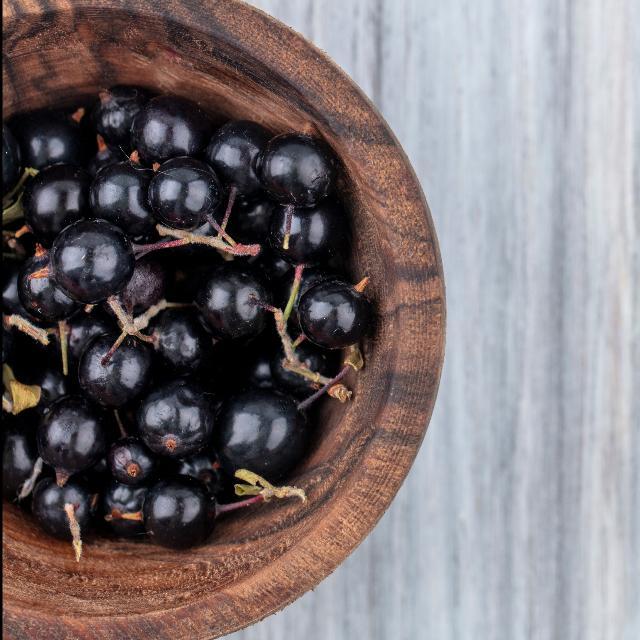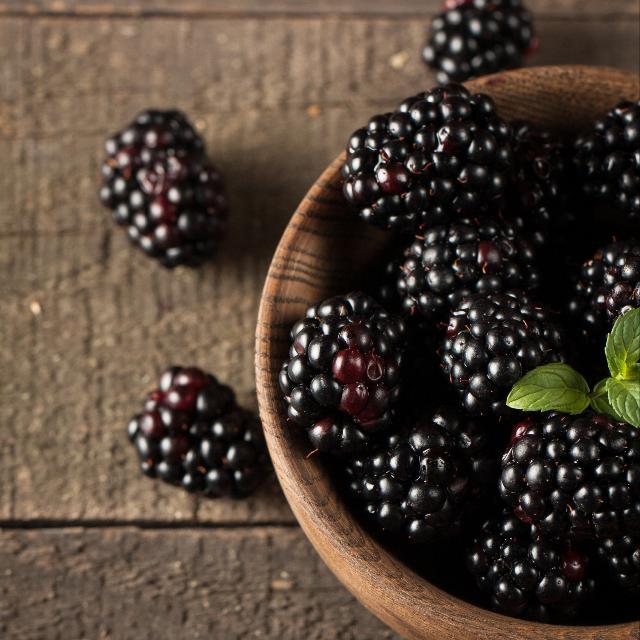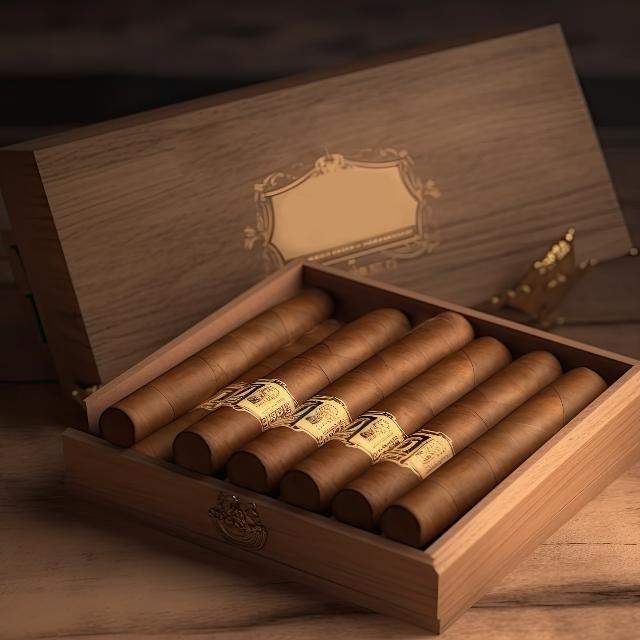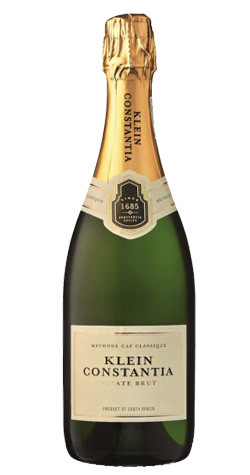



Deep ruby‑red in the glass, the 92 point 2023 Klein Constantia Estate Red Blend opens with pure cassis and blackberry, underscored by a fine herbaceous note and hints of cigar box. On the palate it delivers bold tannins wrapped around dark fruit, firm structure and a savory finish that lingers.
Serve it alongside grilled rib‑eye with a wild mushroom ragout or aged cheddar and fig jam, this wine stands up to rich flavors with composure.
Serve it alongside grilled rib‑eye with a wild mushroom ragout or aged cheddar and fig jam, this wine stands up to rich flavors with composure.
Each parcel is carefully identified, and blocks are split into multiple portions to harvest at the perfect ripeness. The grapes are then bunch- and berry-sorted to ensure that only the healthiest berries are selected. Malolactic fermentation takes place in 40% new French oak barrels after alcoholic fermentation. The wine is then aged for 15 months before blending and bottling.
Winemaker: Matthew Day
Winemaker: Matthew Day
Described as one of the world’s most beautiful vineyards, Klein Constantia is set amidst ancient trees and lush greenery on the upper foothills of the Constantiaberg, with superb views across the Constantia Valley and False Bay.
Our 146-hectare wine estate originally formed part of "Constantia," a vast property established in 1685 by Simon van der Stel, the first governor of the Cape. This particular valley was chosen not only for its beauty but also for the decomposed granite soils on its slopes, gently cooled by ocean breezes.
Prized by leaders and aristocracy throughout 18th-century Europe, Constantia’s Vin de Constance was revived by Klein Constantia in 1986, reaffirming this unique natural sweet wine’s place in history.
Today, Klein Constantia continues to make some of South Africa’s top wines and the world’s best dessert wines—wines that reflect the cool Constantia climate, as well as our historic tradition.
Our 146-hectare wine estate originally formed part of "Constantia," a vast property established in 1685 by Simon van der Stel, the first governor of the Cape. This particular valley was chosen not only for its beauty but also for the decomposed granite soils on its slopes, gently cooled by ocean breezes.
Prized by leaders and aristocracy throughout 18th-century Europe, Constantia’s Vin de Constance was revived by Klein Constantia in 1986, reaffirming this unique natural sweet wine’s place in history.
Today, Klein Constantia continues to make some of South Africa’s top wines and the world’s best dessert wines—wines that reflect the cool Constantia climate, as well as our historic tradition.