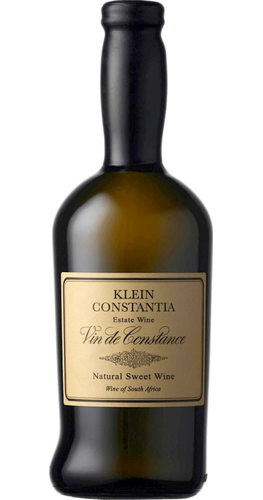



The 2015 Vin de Constance Magnum from Klein Constantia is a statement bottle, both in scale and in character.
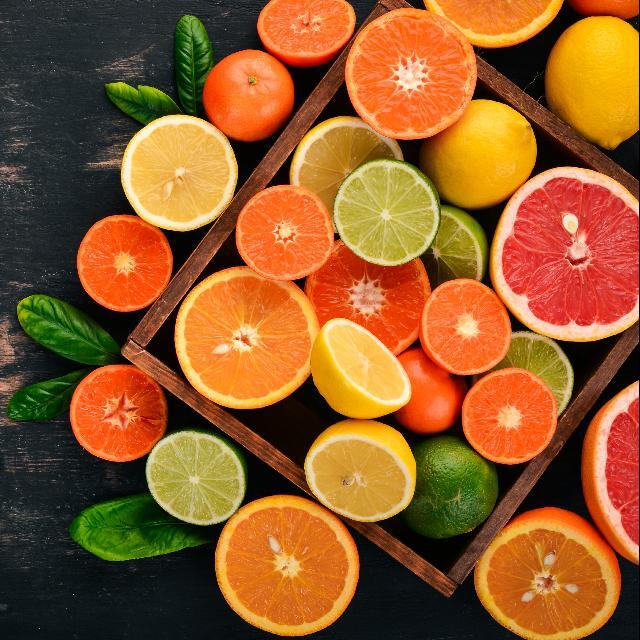
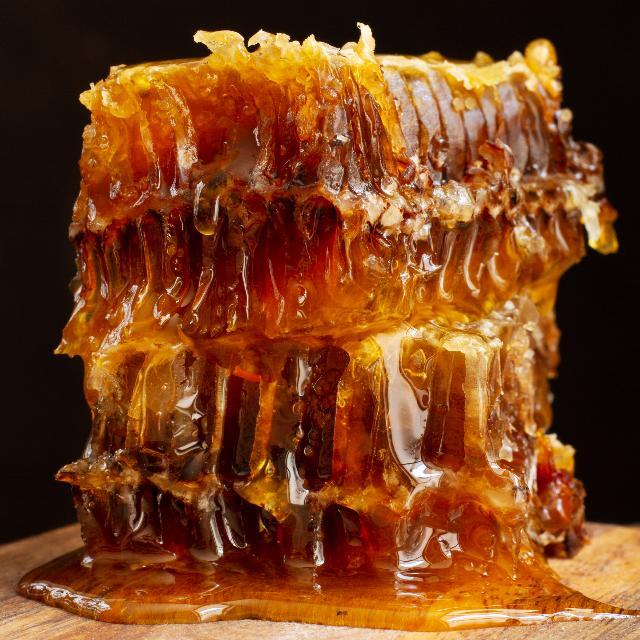
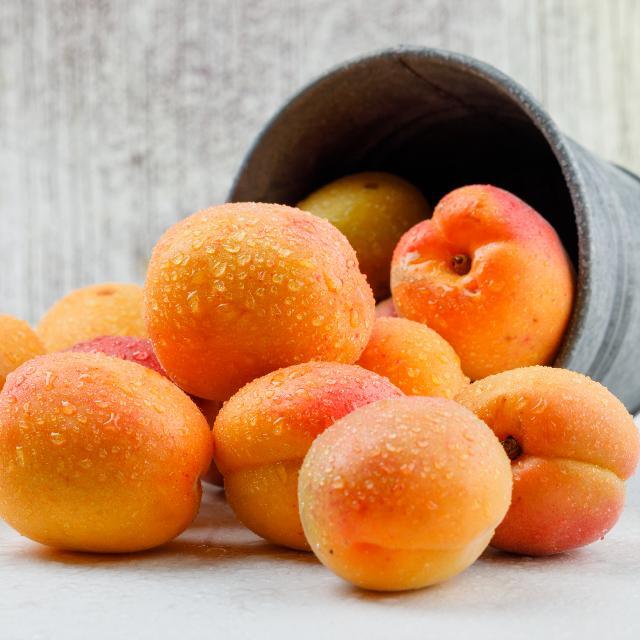
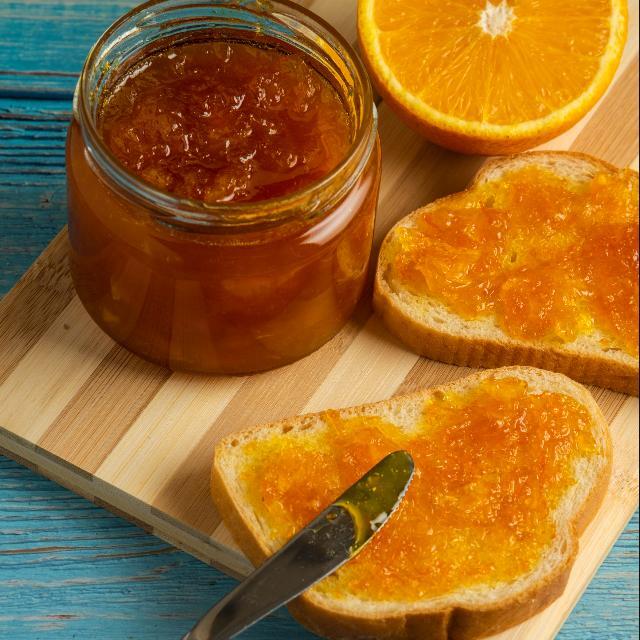
Bright gold in the glass, it opens with aromas of citrus blossom, honeycomb, dried apricot, and a touch of marmalade. The palate is rich and textured, yet beautifully balanced. Natural sweetness is lifted by fresh acidity, giving the wine energy and precision despite its depth.
With time behind it, the 2015 shows generosity and composure in equal measure. In magnum format, it’s perfect for sharing - and pairs effortlessly with foie gras, blue cheese, or fruit-based desserts - though it’s just as compelling enjoyed slowly on its own.
Bright gold in the glass, it opens with aromas of citrus blossom, honeycomb, dried apricot, and a touch of marmalade. The palate is rich and textured, yet beautifully balanced. Natural sweetness is lifted by fresh acidity, giving the wine energy and precision despite its depth.
With time behind it, the 2015 shows generosity and composure in equal measure. In magnum format, it’s perfect for sharing - and pairs effortlessly with foie gras, blue cheese, or fruit-based desserts - though it’s just as compelling enjoyed slowly on its own.
The 2015 vintage brought about both challenges and joys. It is the first vintage to be completed in our renovated cellar, with equipment dedicated for the making of Vin de Constance. This harvest marked the first year of the long 3 year drought in the Cape, resulting in the earliest harvest of Muscat de Frontignan we have had since 1986. It was also the year of the terrible fires that raged through the Cape Peninsula.
The drought prompted a shorter harvest, which resulted in faster ripening fruit yielding berries with concentrated flavors and well balanced acidity. With the renovated cellar, we could make use of dedicated tanks intended for perfect maceration and fermentation of the Muscat.
Throughout the season we harvested in batches - from the riper berries that have great acidity to the raisins for sugar concentration. Each batch is kept separate and treated differently. These batches make up the perfect ratio between sugar, alcohol and acidity which allows the wine to stop fermentation naturally and without intervention.
The wine was aged in a combination of 50 % new French oak, Hungarian oak and French Acacia. It was left for a period of 3 years in barrel on the gross lees before racking out and blending. It spent a further 6 months in tank before bottling.
Winemaker: Matt Day
The drought prompted a shorter harvest, which resulted in faster ripening fruit yielding berries with concentrated flavors and well balanced acidity. With the renovated cellar, we could make use of dedicated tanks intended for perfect maceration and fermentation of the Muscat.
Throughout the season we harvested in batches - from the riper berries that have great acidity to the raisins for sugar concentration. Each batch is kept separate and treated differently. These batches make up the perfect ratio between sugar, alcohol and acidity which allows the wine to stop fermentation naturally and without intervention.
The wine was aged in a combination of 50 % new French oak, Hungarian oak and French Acacia. It was left for a period of 3 years in barrel on the gross lees before racking out and blending. It spent a further 6 months in tank before bottling.
Winemaker: Matt Day
Described as one of the world’s most beautiful vineyards, Klein Constantia is set amidst ancient trees and lush greenery on the upper foothills of the Constantiaberg, with superb views across the Constantia Valley and False Bay.
Our 146-hectare wine estate originally formed part of "Constantia," a vast property established in 1685 by Simon van der Stel, the first governor of the Cape. This particular valley was chosen not only for its beauty but also for the decomposed granite soils on its slopes, gently cooled by ocean breezes.
Prized by leaders and aristocracy throughout 18th-century Europe, Constantia’s Vin de Constance was revived by Klein Constantia in 1986, reaffirming this unique natural sweet wine’s place in history.
Today, Klein Constantia continues to make some of South Africa’s top wines and the world’s best dessert wines—wines that reflect the cool Constantia climate, as well as our historic tradition.
Our 146-hectare wine estate originally formed part of "Constantia," a vast property established in 1685 by Simon van der Stel, the first governor of the Cape. This particular valley was chosen not only for its beauty but also for the decomposed granite soils on its slopes, gently cooled by ocean breezes.
Prized by leaders and aristocracy throughout 18th-century Europe, Constantia’s Vin de Constance was revived by Klein Constantia in 1986, reaffirming this unique natural sweet wine’s place in history.
Today, Klein Constantia continues to make some of South Africa’s top wines and the world’s best dessert wines—wines that reflect the cool Constantia climate, as well as our historic tradition.