


The Rustenberg John X. Merriman 2020 is one of Stellenbosch’s benchmark Bordeaux-style blends, named in honor of former owner John Xavier Merriman, whose legacy helped shape the estate’s enduring reputation. Crafted on the slopes of the Simonsberg, this wine balances Old World structure with New World generosity.
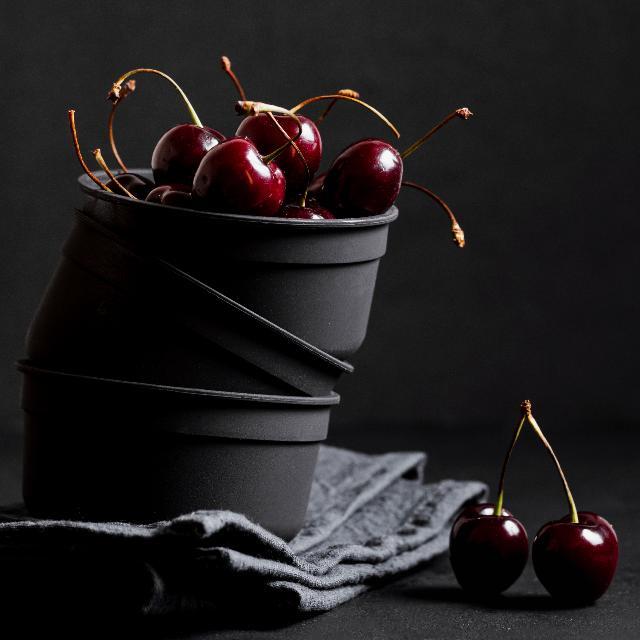
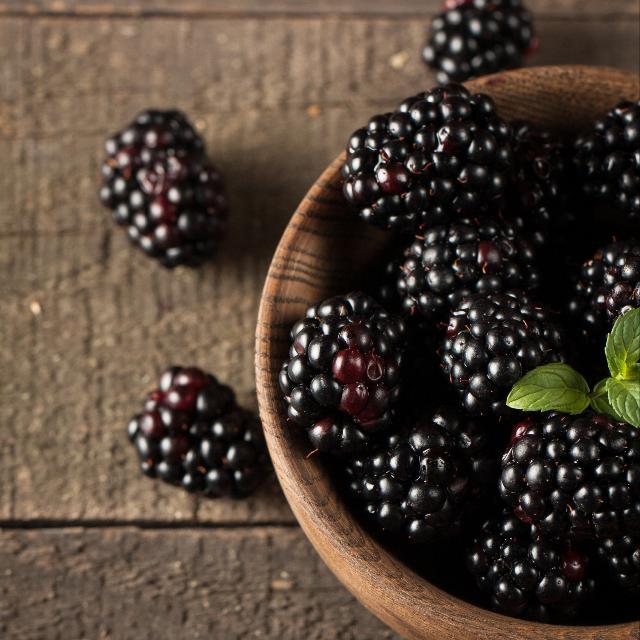
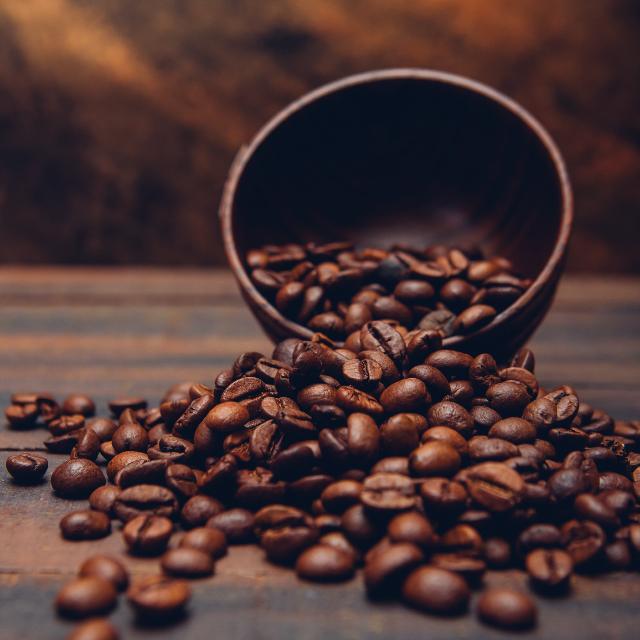
The nose is layered and inviting, showing blackberry, black cherry, and plum, complemented by notes of cassis, cedar, and espresso, with a subtle graphite edge reminiscent of classic Bordeaux. On the palate, the wine is rich yet refined, with a core of dark fruit supported by ripe, well-integrated tannins and fresh acidity. Savory hints of cacao and spice add depth, leading to a long, structured finish that continues to evolve in the glass.
This is a serious yet approachable red blend, equally suited to immediate enjoyment or further cellaring.
The nose is layered and inviting, showing blackberry, black cherry, and plum, complemented by notes of cassis, cedar, and espresso, with a subtle graphite edge reminiscent of classic Bordeaux. On the palate, the wine is rich yet refined, with a core of dark fruit supported by ripe, well-integrated tannins and fresh acidity. Savory hints of cacao and spice add depth, leading to a long, structured finish that continues to evolve in the glass.
This is a serious yet approachable red blend, equally suited to immediate enjoyment or further cellaring.
The grapes were harvested from selected Simonsberg vineyard sites and fermented separately in temperature-controlled stainless steel tanks to preserve varietal character. Extraction was managed through pump-overs and punch-downs to build structure while maintaining balance.
After fermentation, the wine underwent malolactic fermentation before being matured in French oak barrels for an extended period, allowing for integration of tannins and development of complexity. The final blend was carefully assembled to achieve harmony between fruit, structure, and oak.
Winemaker: Murray Barlow
After fermentation, the wine underwent malolactic fermentation before being matured in French oak barrels for an extended period, allowing for integration of tannins and development of complexity. The final blend was carefully assembled to achieve harmony between fruit, structure, and oak.
Winemaker: Murray Barlow
Rustenberg has a wine-growing history dating back to 1682, when Roelof Pasman from Meurs, near the Rhine, recognised its wine-growing potential. By 1781 some 3000 cases of wine were produced on the farm. Production doubled by the end of the century and a new cellar was built. Wine has been bottled at this cellar for an unbroken period since 1892.
In the early 1800s Rustenberg was divided by owner Jacob Eksteen and a section was given to his son-in-law, who named it Schoongezicht and sold it soon after. Rustenberg and Schoongezicht were at their peak around 1812, with beautiful homesteads and flourishing vineyards. But by mid-century, recession coupled with disease in the vines, brought bankruptcy and dispossession.
Schoongezicht was rescued in 1892 by John X Merriman (who was to become Prime Minister of the Cape), and Rustenberg by his brother-in-law Sir Jacob Barry. Together they revitalised the farms. Fruit was sent to Covent Garden; new vines were grafted onto disease-resistant American rootstock; wines were exported to England and the Continent – and even found in Siberia.
In 1941 Peter and Pamela Barlow bought Rustenberg, later acquiring Schoongezicht and reuniting the properties. Their son Simon took over the running of the farm in 1987. The Barlows have been at Rustenberg for over 60 years: the longest period any one family has owned the farm
In the early 1800s Rustenberg was divided by owner Jacob Eksteen and a section was given to his son-in-law, who named it Schoongezicht and sold it soon after. Rustenberg and Schoongezicht were at their peak around 1812, with beautiful homesteads and flourishing vineyards. But by mid-century, recession coupled with disease in the vines, brought bankruptcy and dispossession.
Schoongezicht was rescued in 1892 by John X Merriman (who was to become Prime Minister of the Cape), and Rustenberg by his brother-in-law Sir Jacob Barry. Together they revitalised the farms. Fruit was sent to Covent Garden; new vines were grafted onto disease-resistant American rootstock; wines were exported to England and the Continent – and even found in Siberia.
In 1941 Peter and Pamela Barlow bought Rustenberg, later acquiring Schoongezicht and reuniting the properties. Their son Simon took over the running of the farm in 1987. The Barlows have been at Rustenberg for over 60 years: the longest period any one family has owned the farm