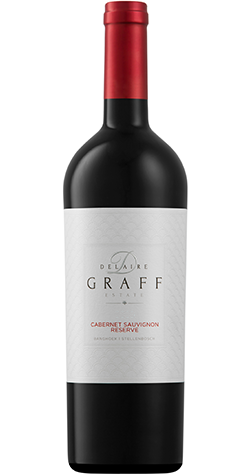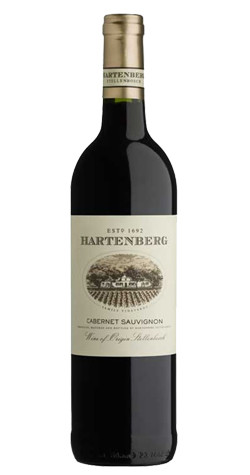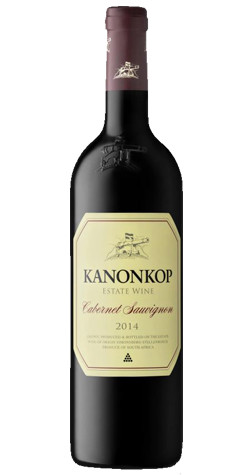



Stellenbosch Reserve Ou Hoofgebou 2024 is a classic Stellenbosch Cabernet Sauvignon built around dark fruit, structure, and a distinctly regional savory edge. It leans into the variety’s more traditional side, where cassis, cedar, tobacco, and herbal detail matter as much as ripeness. For Cabernet drinkers who want both fruit weight and a sense of place, this is a confident, well-shaped expression of Stellenbosch.
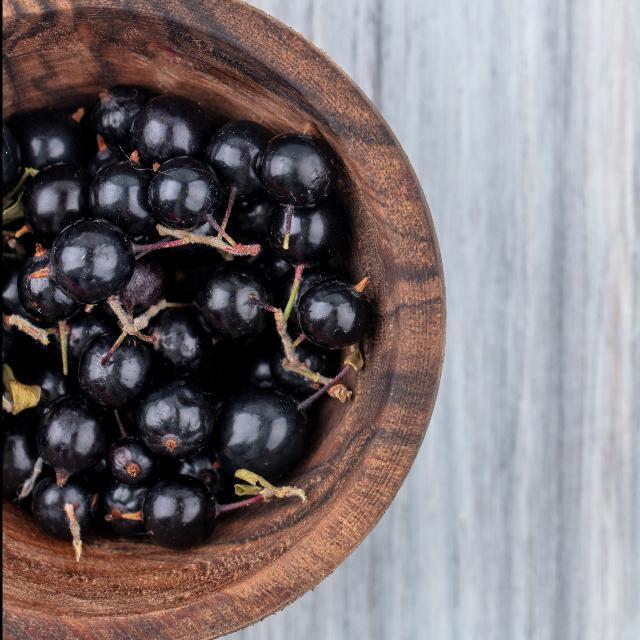
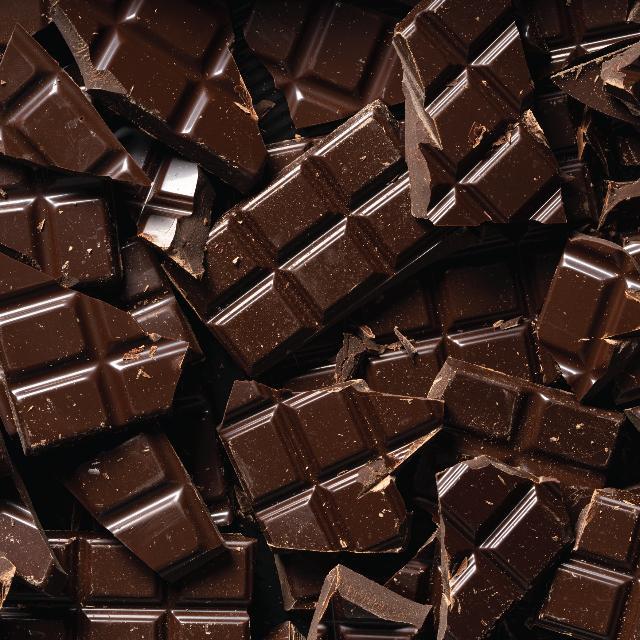
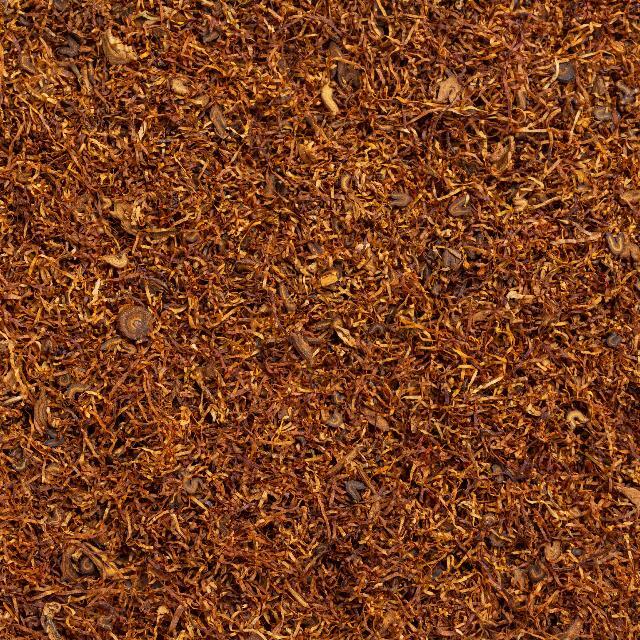
The nose opens with blackcurrant, red and black cherry, dark chocolate, and subtle notes of tobacco and cedar. On the palate, ripe blackcurrant, black plum, and mulberry arrive first, followed by a firm tannic frame that gives the wine grip and direction. Roasted herbs, graphite, and a touch of green peppercorn bring added detail, while the finish stays dry, focused, and properly Cabernet in feel. It would sit comfortably alongside grilled ribeye, roast lamb, beef short ribs, or hard cheeses where its tannin and savory notes can do their work.
Still youthful, this vintage already shows plenty of character, but a little time in bottle should help the tannins settle and bring the wine into even better balance over the next several years.
The nose opens with blackcurrant, red and black cherry, dark chocolate, and subtle notes of tobacco and cedar. On the palate, ripe blackcurrant, black plum, and mulberry arrive first, followed by a firm tannic frame that gives the wine grip and direction. Roasted herbs, graphite, and a touch of green peppercorn bring added detail, while the finish stays dry, focused, and properly Cabernet in feel. It would sit comfortably alongside grilled ribeye, roast lamb, beef short ribs, or hard cheeses where its tannin and savory notes can do their work.
Still youthful, this vintage already shows plenty of character, but a little time in bottle should help the tannins settle and bring the wine into even better balance over the next several years.
A dry winter season saw well below-average rainfall. Cold-unit accumulation was made up for later in winter and early spring. Budding occurred slightly earlier than usual, but bud break and flowering were even, resulting in an average yield. December brought significant rain, lowering temperatures and replenishing water reserves.
Hot weather in early January encouraged ripening, followed by more moderate conditions and cool nights that helped retain acidity. It was a good vintage for white varieties, although heavy rain during March made it a challenging season for reds.
Fermentation took place in open-top stainless steel fermenters. Punch-downs and pump-overs were performed four times daily to ensure balanced extraction of color and tannins. After fermentation, the wine was macerated on the skins for 14 days. Malolactic fermentation was followed by further aging in French oak for 12 months, using only seasoned oak.
Hot weather in early January encouraged ripening, followed by more moderate conditions and cool nights that helped retain acidity. It was a good vintage for white varieties, although heavy rain during March made it a challenging season for reds.
Fermentation took place in open-top stainless steel fermenters. Punch-downs and pump-overs were performed four times daily to ensure balanced extraction of color and tannins. After fermentation, the wine was macerated on the skins for 14 days. Malolactic fermentation was followed by further aging in French oak for 12 months, using only seasoned oak.
First conceived in 2005, the wine evolved from a single Bordeaux-style blend, to a range that reflects the Stellenbosch viticultural landscape. The Stellenbosch Reserve now encompasses seven wines, red and white, focusing on the classic Stellenbosch varieties of Chardonnay, Chenin Blanc, Cinsault, Merlot, Syrah and Cabernet Sauvignon. The wines, like the place, capture that beautiful balance between accessibility and seriousness.