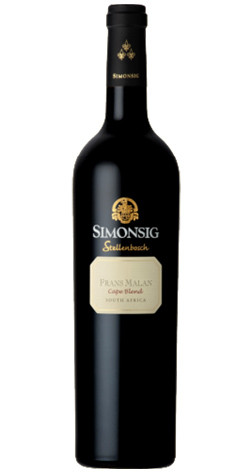



This acclaimed Cape Blend, that had its maiden vintage in 1991, pays tribute to Frans Malan, visionary patriarch and founder of Simonsig, now thriving into its third generation of the Malan family. Much like the man himself, this wine embodies boldness and a pioneering flair. A showcase of Stellenbosch’s remarkable terroir and our winemaker’s artistry, this blend presents a harmonious fusion of nature and expertise.
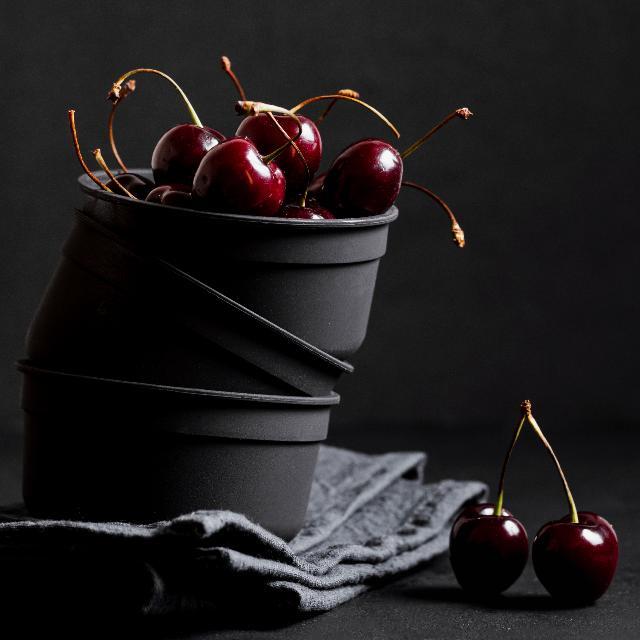
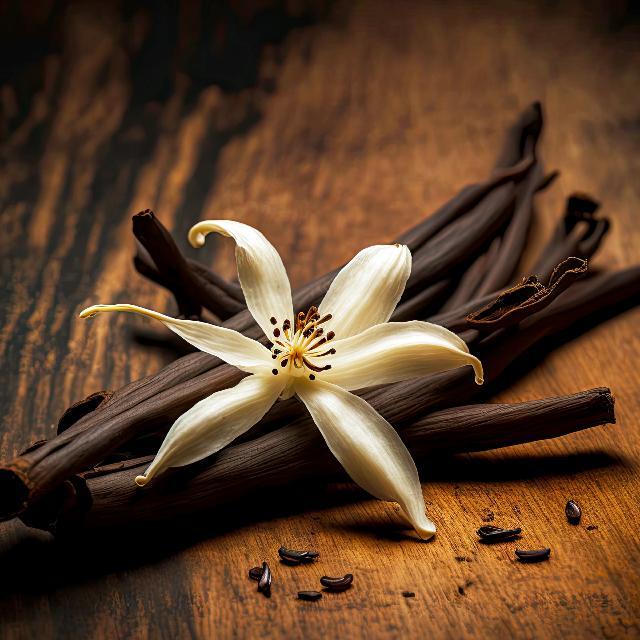
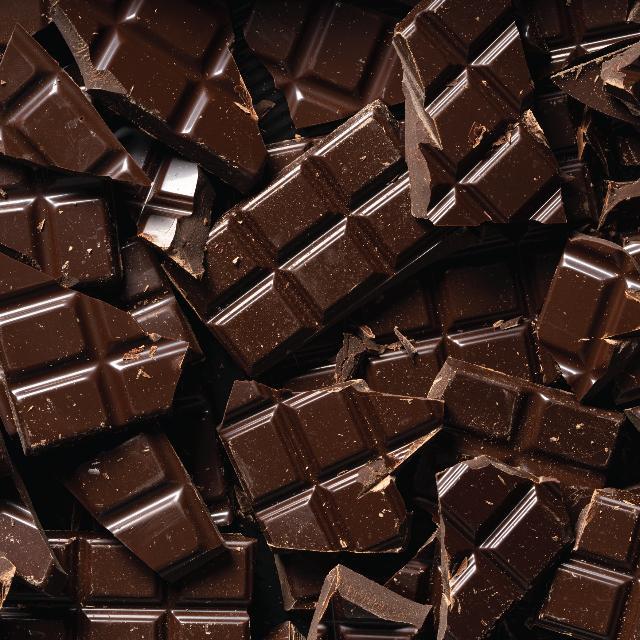
In the glass, this Cape Blend presents a dark, plumb hue, hinting at the richness to follow. On the nose, a generous bouquet unfolds with blackberry, dark cherry and ripe plum, interwoven with sweet-spiced aromas reminiscent of baked cherry pie, vanilla bean, and a dusting of dark chocolate. The entry is rich and powerful, immediately asserting its presence with depth and complexity.
A core of ripe black fruit dominates the mid-palate, supported by tight, balancing acidity that lends precision and lift. The tannins are velvety and seamless, framing the fruit without overshadowing it. Subtle old-world savory undertones, with hints of cured meat and leather add intrigue and sophistication. Despite its boldness, the wine transitions with grace to an elegant wine with a lingering and harmonious finish.
For a superb dining experience, pair this wine with dishes like dukkha-crusted beef, pork belly, springbok espetada, duck, or ostrich steak. It is best enjoyed in a large glass to allow it to breathe fully and served at around 64–65°F to enhance its flavors and aromas.
In the glass, this Cape Blend presents a dark, plumb hue, hinting at the richness to follow. On the nose, a generous bouquet unfolds with blackberry, dark cherry and ripe plum, interwoven with sweet-spiced aromas reminiscent of baked cherry pie, vanilla bean, and a dusting of dark chocolate. The entry is rich and powerful, immediately asserting its presence with depth and complexity.
A core of ripe black fruit dominates the mid-palate, supported by tight, balancing acidity that lends precision and lift. The tannins are velvety and seamless, framing the fruit without overshadowing it. Subtle old-world savory undertones, with hints of cured meat and leather add intrigue and sophistication. Despite its boldness, the wine transitions with grace to an elegant wine with a lingering and harmonious finish.
For a superb dining experience, pair this wine with dishes like dukkha-crusted beef, pork belly, springbok espetada, duck, or ostrich steak. It is best enjoyed in a large glass to allow it to breathe fully and served at around 64–65°F to enhance its flavors and aromas.
The Pinotage vineyard is situated on shallow Malmesbury shale soils with a north-facing aspect, perfect for premium Pinotage. This site gives the wonderful perfumed fruit that gives the Frans Malan its character. The Cabernet vineyards used for this wine are planted in weathered granite soils high in clay and iron content giving wines with depth of fruit and structure. The Merlot is planted high up on the slopes of Simonsig on a cooler site that extends the ripening period of the grapes, leading to smooth, textured and flavorful wines.
In 2021, ample winter rainfall and optimal soil water levels set the stage for grapevines. A late and extended winter led to a delayed season, with consistently cool conditions in Stellenbosch during spring and early summer. Precise vineyard management was crucial due to occasional rainfall, preventing fungal diseases. Despite this, signs of a promising harvest emerged with abundant flowering bunches. December and January’s favorable cool weather facilitated gradual ripening and flavor concentration. Warm, dry conditions from late January to February hastened ripening, yielding smaller bunches with intensified flavors.
All grapes were hand-picked at optimum ripeness with meticulous sorting done in the vineyard and at the cellar. All the different batches had a two-day cold maceration before fermentation commenced. The Pinotage spent a total of six days on the skins before pressing, with regular punch-downs occurring after inoculation. The Cabernet Sauvignon spent a total of 15 days on the skins. Pump-overs were done 2–4 times a day during fermentation. Similarly, the Merlot fermentation lasted 13 days on the skins, with regular punch-downs. Subsequently, malolactic fermentation took place in barrel. The wine then matured for 18 months in 500 L barrels, 100% French oak, utilizing 30% new barrels alongside 54% second-fill and 16% third-fill barrels.
Winemaker : Johan Malan
In 2021, ample winter rainfall and optimal soil water levels set the stage for grapevines. A late and extended winter led to a delayed season, with consistently cool conditions in Stellenbosch during spring and early summer. Precise vineyard management was crucial due to occasional rainfall, preventing fungal diseases. Despite this, signs of a promising harvest emerged with abundant flowering bunches. December and January’s favorable cool weather facilitated gradual ripening and flavor concentration. Warm, dry conditions from late January to February hastened ripening, yielding smaller bunches with intensified flavors.
All grapes were hand-picked at optimum ripeness with meticulous sorting done in the vineyard and at the cellar. All the different batches had a two-day cold maceration before fermentation commenced. The Pinotage spent a total of six days on the skins before pressing, with regular punch-downs occurring after inoculation. The Cabernet Sauvignon spent a total of 15 days on the skins. Pump-overs were done 2–4 times a day during fermentation. Similarly, the Merlot fermentation lasted 13 days on the skins, with regular punch-downs. Subsequently, malolactic fermentation took place in barrel. The wine then matured for 18 months in 500 L barrels, 100% French oak, utilizing 30% new barrels alongside 54% second-fill and 16% third-fill barrels.
Winemaker : Johan Malan
Named after the majestic views of the Simonsberg Mountain, Simonsig Estate is situated in the famous Stellenbosch Winelands just 45 km east of Cape Town.
Simonsig Wine Estate comprises 302 hectares with 210 hectares (518 acres) under vines. The ancient soil types consist of sandstone, decomposed granite and shale. All the vineyards receive supplementary irrigation.
The estate was voted top wine producer by no less than three South African wine competitions and bears numerous accolades, including South Africa's Top Shiraz and Woman Winemaker of the Year.
Simonsig Wine Estate comprises 302 hectares with 210 hectares (518 acres) under vines. The ancient soil types consist of sandstone, decomposed granite and shale. All the vineyards receive supplementary irrigation.
The estate was voted top wine producer by no less than three South African wine competitions and bears numerous accolades, including South Africa's Top Shiraz and Woman Winemaker of the Year.