


Description
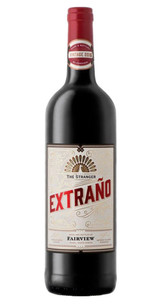
Fairview Extrano 2022 is a Coastal Region red blend built in a darker, more savory register, with Tempranillo at its core and enough structure to reward time in bottle. This is a wine that leans away from overt sweetness and toward spice, dry grip, and earthy fruit character, giving it a distinctly food-minded profile. For drinkers who enjoy fuller-bodied reds with a brooding edge and a more old-world sensibility, this is a compelling bottle.
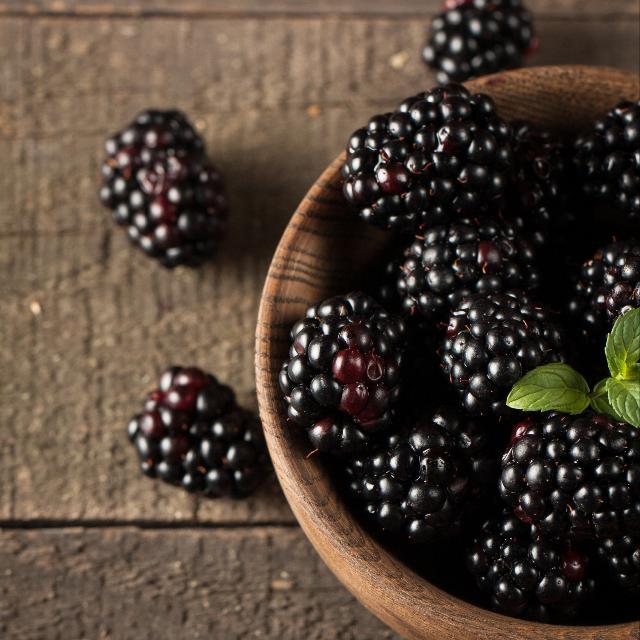
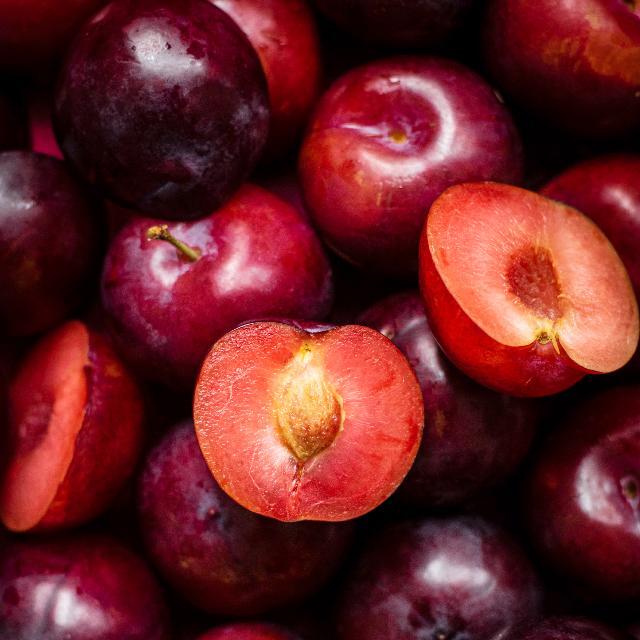
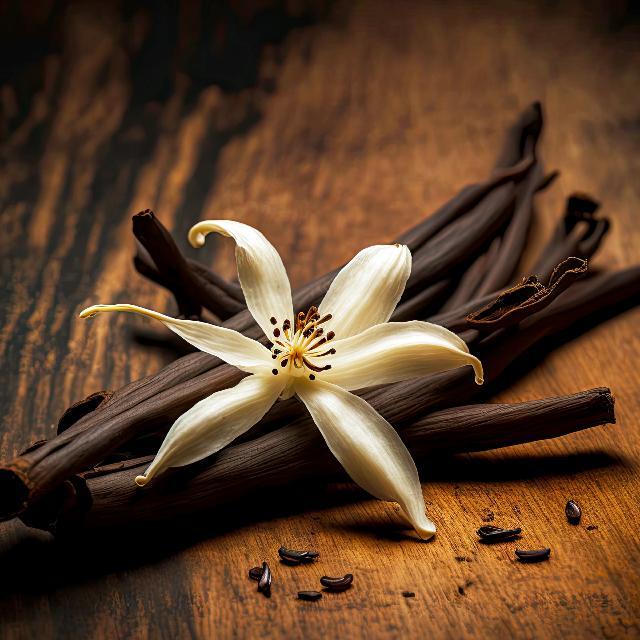
In the glass, it shows a dark brick-burgundy hue. The nose opens with dark berries, plum, warm spice, and vanilla pod, while the palate brings brooding red fruit and the firm tannic structure that Tempranillo handles so well. The finish is savory and dry, with enough depth and grip to stand up to richer dishes. It would pair especially well with slow-cooked lamb, grilled beef, roast pork, or hearty stews, where its spice, fruit, and structure can settle naturally into the meal.
Still youthful, this is a red blend that already shows plenty of character, but it should continue to develop well over the next several years as its tannins soften and the oak and fruit knit more fully together.
In the glass, it shows a dark brick-burgundy hue. The nose opens with dark berries, plum, warm spice, and vanilla pod, while the palate brings brooding red fruit and the firm tannic structure that Tempranillo handles so well. The finish is savory and dry, with enough depth and grip to stand up to richer dishes. It would pair especially well with slow-cooked lamb, grilled beef, roast pork, or hearty stews, where its spice, fruit, and structure can settle naturally into the meal.
Still youthful, this is a red blend that already shows plenty of character, but it should continue to develop well over the next several years as its tannins soften and the oak and fruit knit more fully together.
The grapes were handpicked and sorted into open-top French oak foudres for fermentation. The Grenache Noir component included 20% whole bunches at the bottom of the ferment, adding lift and extra structural detail. Punch-downs took place daily, and the wine was basket pressed after alcoholic fermentation.
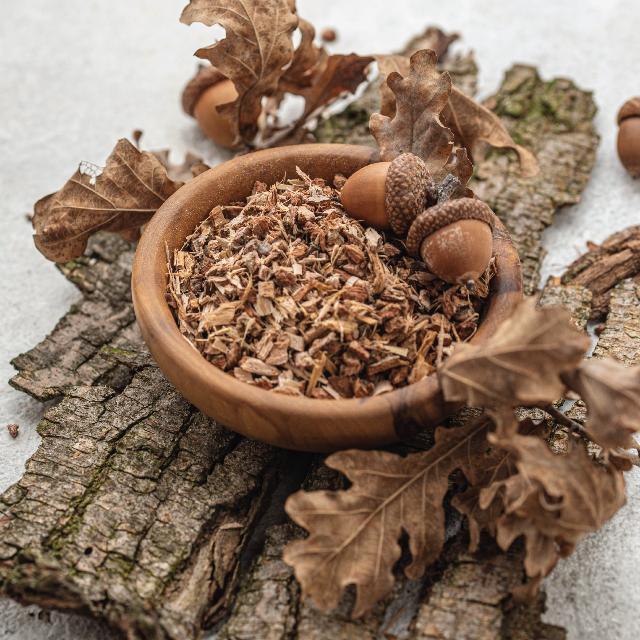
The individual components were then matured separately in French and American oak barrels, with 20% new oak used for the Tempranillo, for a total of 24 months before final barrel selection and blending.
Winemaker: Anthony de Jager
The individual components were then matured separately in French and American oak barrels, with 20% new oak used for the Tempranillo, for a total of 24 months before final barrel selection and blending.
Winemaker: Anthony de Jager
Fairview is a working farm, housing a collection of micro-businesses all sharing in a common goal – to craft artisanal and sustainable produce, with a focus on fine wine and cheese. Everything they do is driven by their philosophy of being honest, honoring their heritage and ensuring their ingenuity. Eager to explore a wider range of wines using grapes grown in optimal conditions, Charles Back abandoned the estate wine concept in the 1980s, choosing rather to “go where the terroir is”. Today, they are one of the few farms that proudly own all their own vineyards, with land in Paarl, Darling, Swartland and Stellenbosch