

Description
The Kanonkop Cabernet Sauvignon 2019 is a classic expression of Stellenbosch Cabernet from one of South Africa's most respected red wine estates. Produced from mature vineyards on the lower slopes of the Simonsberg, it combines concentrated dark fruit with the savory, herbal character and firm structure that give great Stellenbosch Cabernet its distinctive identity.
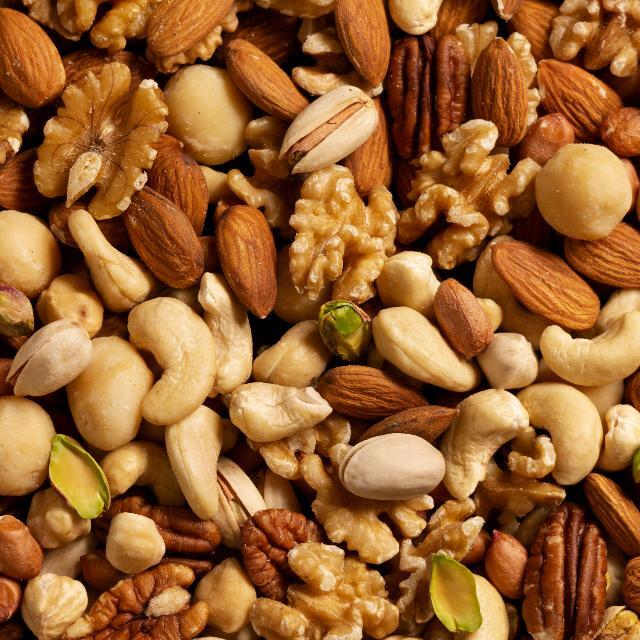
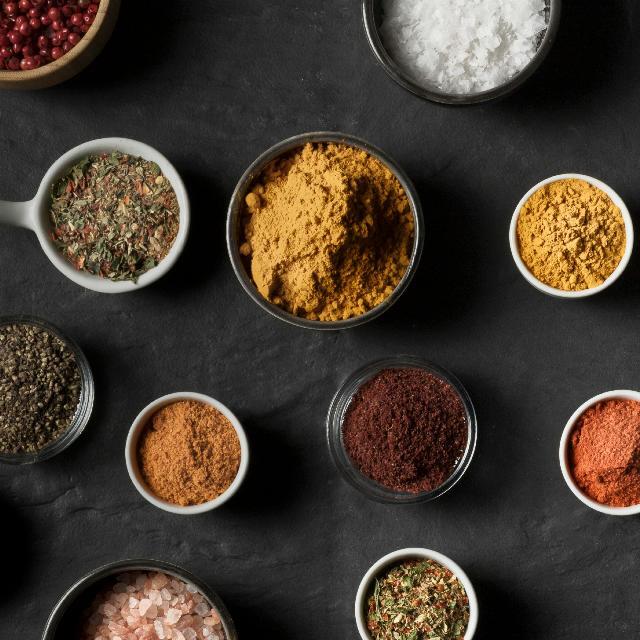
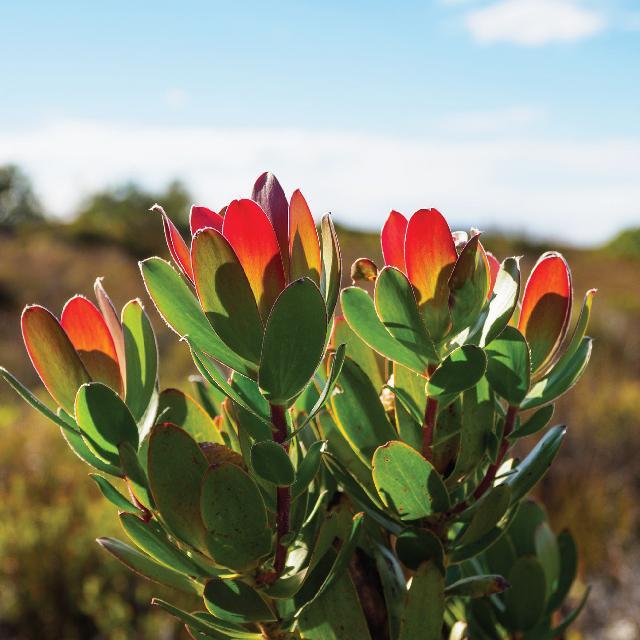
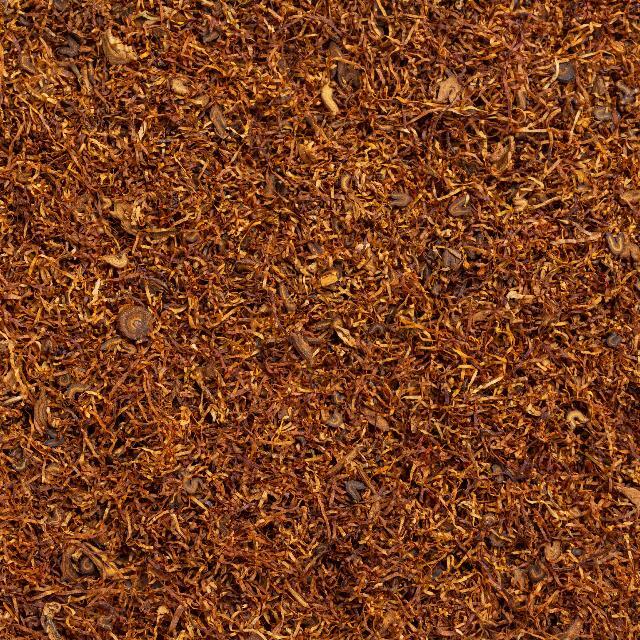
The nose is layered with blackberry, cassis, and blueberry, followed by notes of tobacco, cedar, and fine oak spice. The palate is supple and juicy, with concentrated black fruit complemented by roasted nuts, spice, and a subtle touch of fresh fynbos. Firm but beautifully integrated tannins provide the backbone, while freshness keeps the wine poised through a long, composed finish.
The 2019 vintage followed three years of drought in the Cape. Although rainfall improved, yields remained relatively small, while cooler conditions encouraged the development of smaller berries and excellent fruit concentration. The result is a Cabernet with both depth and freshness that is now entering a particularly rewarding stage of its development.
Pair with prime rib, grilled steak, braised beef short ribs, slow-cooked venison, rosemary lamb shanks, oxtail, or mature hard cheeses.
The nose opens with blackberry, cassis, tobacco, cedar, and oak spice, giving the wine an immediately layered and unmistakably Cabernet profile. On the palate, concentrated black fruit sits at the center, supported by oak spice, roasted nuts, and a subtle note of fresh fynbos that adds a distinctly local accent. The texture is supple and mouth-filling, but the tannins remain firm and well knit, giving the wine shape and aging ability without making it feel hard. It would pair especially well with roast beef, lamb, venison, or mature hard cheeses, where its fruit, spice, and structural grip can settle naturally into the richness of the dish.
Already impressive, this is a Cabernet Sauvignon with the balance and framework to develop gracefully over the coming years, gaining further integration and nuance with time in bottle.
The nose is layered with blackberry, cassis, and blueberry, followed by notes of tobacco, cedar, and fine oak spice. The palate is supple and juicy, with concentrated black fruit complemented by roasted nuts, spice, and a subtle touch of fresh fynbos. Firm but beautifully integrated tannins provide the backbone, while freshness keeps the wine poised through a long, composed finish.
The 2019 vintage followed three years of drought in the Cape. Although rainfall improved, yields remained relatively small, while cooler conditions encouraged the development of smaller berries and excellent fruit concentration. The result is a Cabernet with both depth and freshness that is now entering a particularly rewarding stage of its development.
Pair with prime rib, grilled steak, braised beef short ribs, slow-cooked venison, rosemary lamb shanks, oxtail, or mature hard cheeses.
The nose opens with blackberry, cassis, tobacco, cedar, and oak spice, giving the wine an immediately layered and unmistakably Cabernet profile. On the palate, concentrated black fruit sits at the center, supported by oak spice, roasted nuts, and a subtle note of fresh fynbos that adds a distinctly local accent. The texture is supple and mouth-filling, but the tannins remain firm and well knit, giving the wine shape and aging ability without making it feel hard. It would pair especially well with roast beef, lamb, venison, or mature hard cheeses, where its fruit, spice, and structural grip can settle naturally into the richness of the dish.
Already impressive, this is a Cabernet Sauvignon with the balance and framework to develop gracefully over the coming years, gaining further integration and nuance with time in bottle.
Fermentation took place in Kanonkop's traditional open-top concrete fermenters at approximately 29°C. The floating cap was punched down by hand every two hours during fermentation, allowing careful extraction of color, flavor, and tannin. The wine was drawn off the skins after five days.
Following malolactic fermentation, the Cabernet was matured for 24 months in 225-liter French Nevers oak barrels, split evenly between 50% new oak and 50% second-fill barrels. The extended maturation builds structure and complexity while allowing the concentrated Cabernet fruit to remain at the heart of the wine.
Winemaker: Abrie Beeslaar
Following malolactic fermentation, the Cabernet was matured for 24 months in 225-liter French Nevers oak barrels, split evenly between 50% new oak and 50% second-fill barrels. The extended maturation builds structure and complexity while allowing the concentrated Cabernet fruit to remain at the heart of the wine.
Winemaker: Abrie Beeslaar
Kanonkop is one of South Africa's benchmark red wine estates, situated on the lower slopes of the Simonsberg Mountain in Stellenbosch. Family-owned for generations, the estate is particularly renowned for Cabernet Sauvignon, Pinotage, and its legendary Paul Sauer Bordeaux-style blend.
Traditional winemaking remains central to Kanonkop's identity, including fermentation in open concrete tanks, intensive hand punch-downs, and extended maturation in French oak. Its Cabernet Sauvignon has become a reference point for the variety in Stellenbosch, prized for its combination of concentrated fruit, savory complexity, firm structure, and ability to develop beautifully over many years.
Traditional winemaking remains central to Kanonkop's identity, including fermentation in open concrete tanks, intensive hand punch-downs, and extended maturation in French oak. Its Cabernet Sauvignon has become a reference point for the variety in Stellenbosch, prized for its combination of concentrated fruit, savory complexity, firm structure, and ability to develop beautifully over many years.