

Description
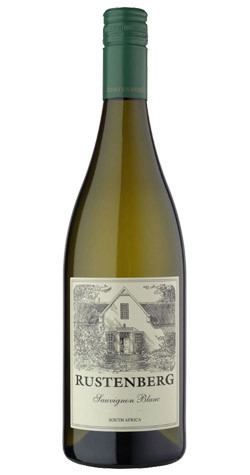
Rustenberg Chenin Blanc 2025 is a bright, fruit-driven Stellenbosch white that balances ripeness and freshness in a very approachable style. Chenin Blanc is one of South Africa’s most versatile grapes, and this wine leans into its ability to carry generous fruit while still holding a crisp, energetic line. The result is a white that feels lively and easy to enjoy, but with enough texture to give it more shape than a simple everyday pour.
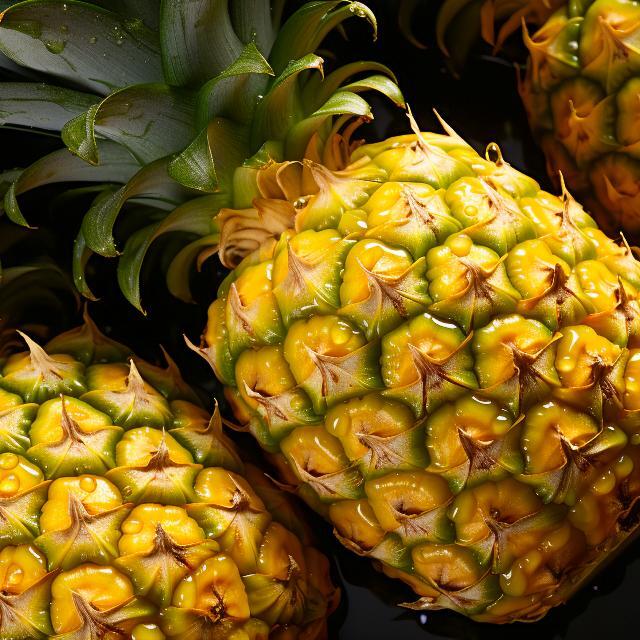
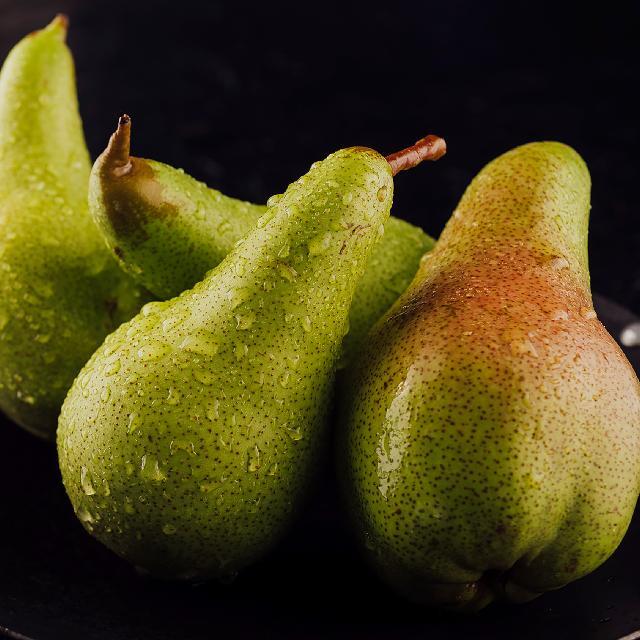
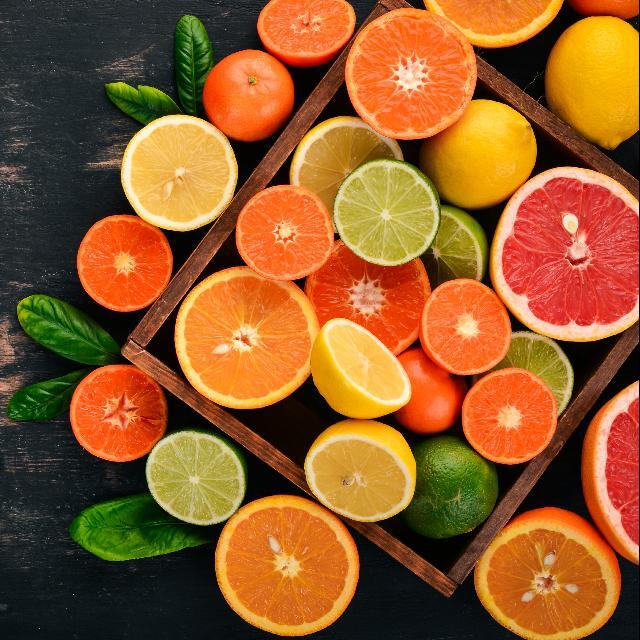
The nose opens with ripe pineapple and yellow pear, giving the wine an inviting tropical edge without losing freshness. On the palate, citrus notes bring extra lift and definition, while the texture adds a little more breadth through the middle. Balanced acidity keeps everything moving, sharpening the fruit and carrying the wine into a clean, invigorating finish. It would pair especially well with grilled fish, roast chicken, summer salads, or lightly spiced dishes where its freshness and fruit can work naturally at the table.
Made to be enjoyed while young, this is a Chenin Blanc that captures both ripe fruit expression and the bright, refreshing character that makes the variety such a consistent favorite.
The nose opens with ripe pineapple and yellow pear, giving the wine an inviting tropical edge without losing freshness. On the palate, citrus notes bring extra lift and definition, while the texture adds a little more breadth through the middle. Balanced acidity keeps everything moving, sharpening the fruit and carrying the wine into a clean, invigorating finish. It would pair especially well with grilled fish, roast chicken, summer salads, or lightly spiced dishes where its freshness and fruit can work naturally at the table.
Made to be enjoyed while young, this is a Chenin Blanc that captures both ripe fruit expression and the bright, refreshing character that makes the variety such a consistent favorite.
The 2023 vintage was shaped by La Niña conditions, with a dry autumn, below-average winter rainfall, and a cool but dry spring before a major cold front in December brought needed rain along with added disease pressure.
Lower crop sizes and a cooler growing season helped preserve acidity and concentration, while early heatwaves in January encouraged the white cultivars to ripen on schedule ahead of the late summer rains. These conditions helped produce whites with both bright acidity and ripe fruit expression, which is reflected in the wine’s freshness, texture, and balance.
Winemaker: Randolph Christians
Lower crop sizes and a cooler growing season helped preserve acidity and concentration, while early heatwaves in January encouraged the white cultivars to ripen on schedule ahead of the late summer rains. These conditions helped produce whites with both bright acidity and ripe fruit expression, which is reflected in the wine’s freshness, texture, and balance.
Winemaker: Randolph Christians
Rustenberg has a wine-growing history dating back to 1682, when Roelof Pasman from Meurs, near the Rhine, recognized its wine-growing potential. By 1781 some 3000 cases of wine were produced on the farm. Production doubled by the end of the century and a new cellar was built. The wine has been bottled at this cellar for an unbroken period since 1892.
In the early 1800s, Rustenberg was divided by owner Jacob Eksteen and a section was given to his son-in-law, who named it Schoongezicht and sold it soon after. Rustenberg and Schoongezicht were at their peak around 1812, with beautiful homesteads and flourishing vineyards. But by mid-century, recession coupled with disease in the vines, brought bankruptcy and dispossession.
Schoongezicht was rescued in 1892 by John X Merriman (who was to become Prime Minister of the Cape), and Rustenberg by his brother-in-law Sir Jacob Barry. Together they revitalized the farms. The fruit was sent to Covent Garden; new vines were grafted onto disease-resistant American rootstock; wines were exported to England and the Continent – and even found in Siberia.
In 1941 Peter and Pamela Barlow bought Rustenberg, later acquiring Schoongezicht and reuniting the properties. Their son Simon took over the running of the farm in 1987. The Barlows have been at Rustenberg for over 60 years: the longest period any one family has owned the farm.
In the early 1800s, Rustenberg was divided by owner Jacob Eksteen and a section was given to his son-in-law, who named it Schoongezicht and sold it soon after. Rustenberg and Schoongezicht were at their peak around 1812, with beautiful homesteads and flourishing vineyards. But by mid-century, recession coupled with disease in the vines, brought bankruptcy and dispossession.
Schoongezicht was rescued in 1892 by John X Merriman (who was to become Prime Minister of the Cape), and Rustenberg by his brother-in-law Sir Jacob Barry. Together they revitalized the farms. The fruit was sent to Covent Garden; new vines were grafted onto disease-resistant American rootstock; wines were exported to England and the Continent – and even found in Siberia.
In 1941 Peter and Pamela Barlow bought Rustenberg, later acquiring Schoongezicht and reuniting the properties. Their son Simon took over the running of the farm in 1987. The Barlows have been at Rustenberg for over 60 years: the longest period any one family has owned the farm.