

Description
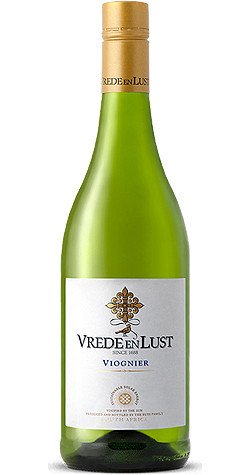
The Vrede en Lust Anni Sauvignon Blanc 2025 is a fresh, cool-climate expression from Elgin’s Casey’s Ridge, where misty mornings and maritime influence shape wines with precision and lift. This vintage leans into purity and balance, capturing the elegance the region is known for.
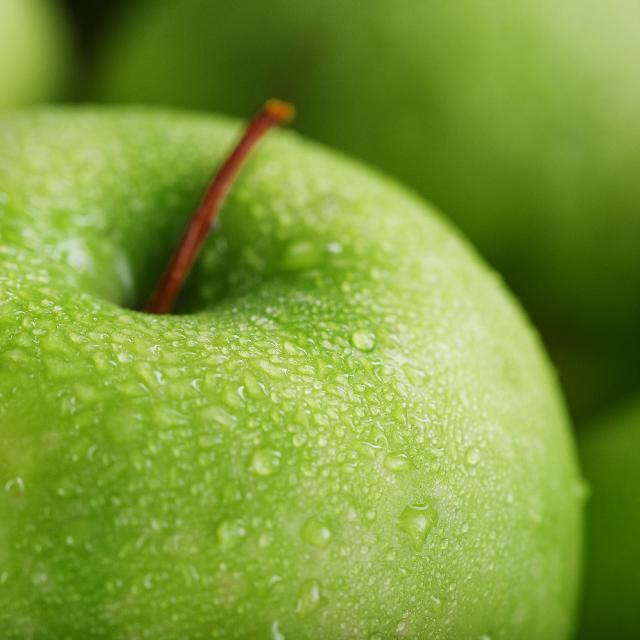
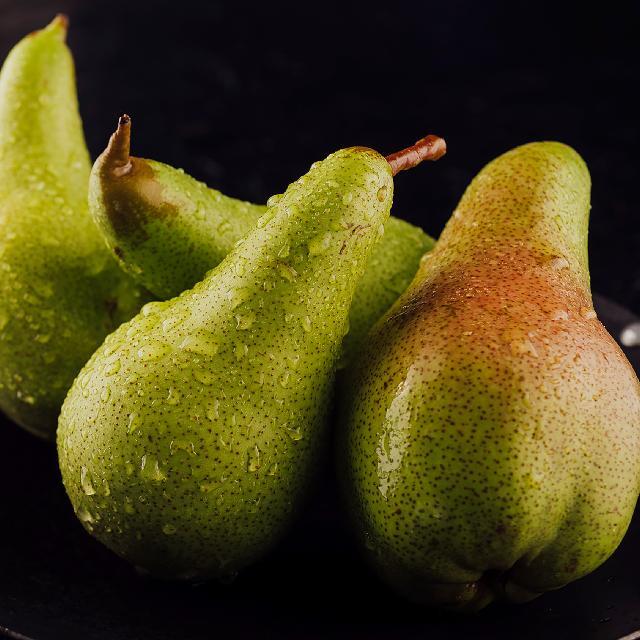
The nose is bright and focused, with aromas of pear, green apple, and citrus, layered with a subtle flinty mineral edge. On the palate, the wine is crisp and clean, with flavors of pome fruit, lemon, and a touch of green herbs. A lively acidity carries the wine through to a fresh, mineral finish, giving it both energy and structure.
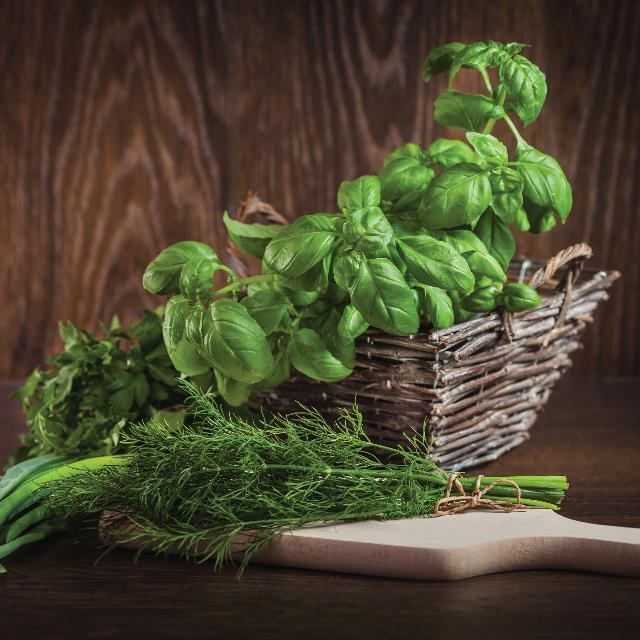
A versatile white that pairs beautifully with seafood, goat cheese salads, grilled asparagus, and light, herb-driven dishes.
The nose is bright and focused, with aromas of pear, green apple, and citrus, layered with a subtle flinty mineral edge. On the palate, the wine is crisp and clean, with flavors of pome fruit, lemon, and a touch of green herbs. A lively acidity carries the wine through to a fresh, mineral finish, giving it both energy and structure.
A versatile white that pairs beautifully with seafood, goat cheese salads, grilled asparagus, and light, herb-driven dishes.
The grapes were sourced exclusively from Casey’s Ridge in Elgin, harvested in multiple passes to capture a range of ripeness and flavor profiles. After gentle pressing, only the free-run juice was used and fermented in stainless steel tanks with selected yeast strains to preserve freshness and aromatics.
The wine was then aged for approximately 4 months on the lees, adding subtle texture and complexity while maintaining its crisp, vibrant character.
Winemakers: Karlin Nel & Duan Engelbrecht
The wine was then aged for approximately 4 months on the lees, adding subtle texture and complexity while maintaining its crisp, vibrant character.
Winemakers: Karlin Nel & Duan Engelbrecht
Vrede en Lust was founded in 1688 by a Flemish Merchant called Jacques de Savoye. The Governor of the Cape allocated this farm to De Savoye, who fled Europe with his wife, Marie-Madeleine le Clerq, due to religious persecution.
After 70 days at sea, they arrived in Table Bay on 26 April 1688 on the 160ft Oosterland. The scene shifts to the Drakenstein, sparsely populated with only 23 Dutch freeburgers having settled there before. The valley is majestically beautiful, though quite rugged, with dense forests, game, lion and leopard, and the only human inhabitants, some nomadic Khoi. The pioneers lived in simple clay and reed homes.
This is where De Savoye became the owner of a magnificent piece of land against the foothills of the Napoleonsberg (today known as the Simonsberg). He called his farm Vrede en Lust (Peace and Delight/Eagerness), nurturing visions of a rural paradise where he could spend his last days. He immediately started improving the 55 Ha of land that starts at the Bergrivier valley floor and runs up the eastern foothills of the majestic Simonsberg Mountain.
After 70 days at sea, they arrived in Table Bay on 26 April 1688 on the 160ft Oosterland. The scene shifts to the Drakenstein, sparsely populated with only 23 Dutch freeburgers having settled there before. The valley is majestically beautiful, though quite rugged, with dense forests, game, lion and leopard, and the only human inhabitants, some nomadic Khoi. The pioneers lived in simple clay and reed homes.
This is where De Savoye became the owner of a magnificent piece of land against the foothills of the Napoleonsberg (today known as the Simonsberg). He called his farm Vrede en Lust (Peace and Delight/Eagerness), nurturing visions of a rural paradise where he could spend his last days. He immediately started improving the 55 Ha of land that starts at the Bergrivier valley floor and runs up the eastern foothills of the majestic Simonsberg Mountain.