


-
View Lanzerac - Pinotage, Stellenbosch - 2023 (750ml) glens choice
Lanzerac Stellenbosch
Pinotage, 2023 (750ml)
Preorder Now Expected: Early-SeptemberPreorder Now Expected: Early-September
$32 -
View L'Avenir - 'Brut' Pinotage Rosé, Stellenbosch - 2023 (750ml) 
L'Avenir Stellenbosch
'Brut' Pinotage Rosé, 2023 (750ml)
Preorder Now Expected: Early-SeptemberPreorder Now Expected: Early-September
$40 -
View L'Avenir - 'Provenance' Pinotage, Stellenbosch - 2023 (750ml) 
L'Avenir Stellenbosch
'Provenance' Pinotage, 2023 (750ml)
Preorder Now Expected: Early-SeptemberPreorder Now Expected: Early-September
$35 -
View Lanzerac - 'Pionier' Pinotage, Stellenbosch - 2022 (750ml) JP 95
Lanzerac Stellenbosch
'Pionier' Pinotage, 2022 (750ml)
Preorder Now Expected: Early-SeptemberPreorder Now Expected: Early-September
$85 -
View Zevenwacht - '7EVEN' Pinotage, Stellenbosch - 2024 (750ml) 
Zevenwacht Stellenbosch
'7EVEN' Pinotage, 2024 (750ml)
Preorder Now Expected: TBCPreorder Now Expected: TBC
$24 -
View Rickety Bridge - 'Foundation Stone' Pinotage, Franschhoek - 2024 (750ml) 
Rickety Bridge Franschhoek
'Foundation Stone' Pinotage, 2024 (750ml)
Preorder Now Expected: Early-SeptemberPreorder Now Expected: Early-September
$28 -
View Groot Constantia - 'Méthode Cap Classique Brut Rosé' Pinotage, Constantia - NV (750ml) sustainable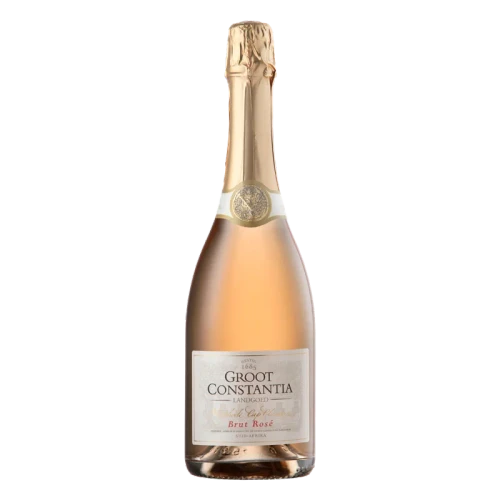
Groot Constantia Constantia
'Méthode Cap Classique Brut Rosé' Pinotage, NV (750ml)
Preorder Now Expected: Early-OctoberPreorder Now Expected: Early-October
$33 -
View Fairview - Pinotage, Paarl - 2023 (750ml) vegansustainable
Fairview Paarl
Pinotage, 2023 (750ml)
Preorder Now Expected: Early-SeptemberPreorder Now Expected: Early-September
$30 -
View Fairview - 'Primo' Pinotage, Paarl - 2023 (750ml) sustainablevegan
Fairview Paarl
'Primo' Pinotage, 2023 (750ml)
Preorder Now Expected: Early-SeptemberPreorder Now Expected: Early-September
$59 -
View Lanzerac - 'Commemorative' Pinotage, Stellenbosch - 2021 (750ml) 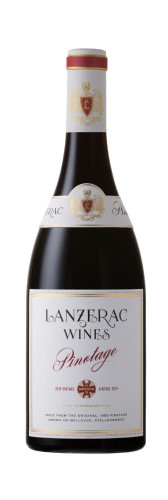
Lanzerac Stellenbosch
'Commemorative' Pinotage, 2021 (750ml)
Preorder Now Expected: Early-SeptemberPreorder Now Expected: Early-September
$127 -
View L'Avenir - 'Single Block' Pinotage, Stellenbosch - 2021 (750ml) TA 89
L'Avenir Stellenbosch
'Single Block' Pinotage, 2021 (750ml)
Preorder Now Expected: TBCPreorder Now Expected: TBC
$56 -
View Kanonkop - Pinotage, Stellenbosch - 2022 (750ml) TA 94
Kanonkop Stellenbosch
Pinotage, 2022 (750ml)
Preorder Now Expected: Early-SeptemberPreorder Now Expected: Early-September
$50
FREQUENTLY ASKED QUESTIONS ABOUT PINOTAGE
Pinotage is South Africa’s signature red grape variety. It was created in Stellenbosch by Professor Abraham Izak Perold, who crossed Pinot Noir with Cinsaut - then commonly known in South Africa as Hermitage. The name “Pinotage” combines elements of those two parent varieties. Although its ancestry is French, Pinotage is unmistakably South African. It has developed its own identity in the Cape, producing everything from fresh, fragrant reds to profound, age-worthy wines from old, low-yielding vineyards.
Pinotage can show a wonderfully broad range of flavors. Depending on the vineyard, climate and winemaking style, you may find ripe blackberry, black cherry, plum, raspberry and mulberry, often joined by notes of spice, herbs, earth, smoke, cocoa or savory complexity. Lighter examples can be bright, juicy and perfumed, with silky tannins and vivid red fruit. Fuller-bodied Pinotage may be darker, richer and more structured, with layers of black fruit, cedar, spice and mineral character. That versatility is one of the grape’s greatest pleasures. There is no single Pinotage style.
Yes. Most Pinotage is made as a dry red wine with little residual sugar. Ripe fruit flavors can make some examples seem generous or slightly sweet-fruited, but the wine itself is generally dry. Pinotage is also used to produce dry rosé, sparkling wine, fortified wine and, in rare cases, white Pinotage made without extended contact between the juice and grape skins.
Pinotage is a particularly rewarding food wine. Its combination of ripe fruit, savory depth and firm but approachable tannins works beautifully with grilled lamb, steak, slow-cooked beef, venison, pork, smoky barbecue and richly seasoned vegetables. It is also an excellent match for South African-inspired dishes such as bobotie, boerewors, lamb bredie and meat cooked over an open braai. Fruitier styles pair well with roast chicken, duck, charcuterie and mildly spiced dishes, while structured, oak-aged Pinotage can stand beside braised short ribs, game and mature cheeses.
Not usually. Although Pinot Noir is one of its parents, Pinotage generally has a darker color, fuller body and more robust tannin structure than Pinot Noir. There can, however, be flashes of family resemblance. Pinotage grown in cooler sites or made with a lighter touch may show the perfume, red fruit, silky texture and earthy detail associated with Pinot Noir. Other examples lean more toward dark fruit, spice and substantial structure. It is best to approach Pinotage as a distinct variety rather than expecting it to taste like either of its parents.
Pinotage often offers ripe plum, blackberry, cherry, spice and earthy or smoky notes, while Cabernet Sauvignon is more commonly associated with blackcurrant, cedar, graphite, herbs and firm tannins. Cabernet Sauvignon generally has a more linear, structured profile. Pinotage can feel broader, juicier and more immediately expressive, although premium examples can also possess impressive structure and aging potential. Both grapes produce outstanding South African red wines, and they are sometimes blended to combine Cabernet Sauvignon’s structure with Pinotage’s generous fruit and unmistakably Cape character.
Pinotage can be demanding in both the vineyard and the cellar. When grapes are overcropped, harvested without sufficient care or handled poorly during fermentation, the resulting wines can lack balance or develop coarse, overly extracted or unusual aromas. Modern producers understand the variety far better. Careful site selection, lower yields, healthier fruit, precise fermentation and more restrained oak have transformed the category. Today’s best Pinotage wines are among South Africa’s most exciting reds, offering purity, freshness, texture and a vivid sense of place. Pinotage should not be judged by an outdated encounter with a poorly made bottle. The quality and stylistic range available today tell a very different story.
Outstanding Pinotage is made across several South African wine regions. Stellenbosch has a long and important association with the variety and produces many structured, polished and age-worthy examples. The Swartland is particularly exciting for old-vine Pinotage, often producing concentrated yet energetic wines with dark fruit, spice and an earthy sense of place. Excellent examples also come from Paarl, Wellington, Durbanville, Bottelary, Darling and other parts of the Coastal Region. Rather than declaring one region the absolute best, it is more rewarding to explore how Pinotage changes across South Africa’s remarkably varied landscapes.
Old vine Pinotage is made from mature vineyards, many of which are dry-farmed bush vines with naturally low yields. These vines often produce smaller quantities of intensely flavored fruit, giving the resulting wines greater depth, concentration and complexity. Old vines do not automatically guarantee quality, but in the hands of a skilled grower and winemaker, they can produce Pinotage of remarkable character. Expect layered fruit, savory detail, fine tannins and a stronger expression of the vineyard itself. Some of South Africa’s most compelling modern Pinotage wines come from historic parcels that have survived because dedicated producers recognized their value.
Yes. Well-made Pinotage can age beautifully, especially when it comes from mature vineyards and has sufficient fruit concentration, acidity and tannin. Young Pinotage may emphasize blackberry, plum, cherry and spice. With time, the wine can develop more complex notes of leather, earth, dried herbs, tobacco, forest floor and savory spice. Fresh, fruit-driven Pinotage is often best enjoyed within a few years, while premium, structured examples may continue developing for a decade or considerably longer.
Young, full-bodied Pinotage often benefits from decanting for around 30 minutes to an hour. This allows the wine’s fruit and aromatics to emerge while helping firm tannins feel more integrated. Lighter Pinotage may need little more than a generous glass and a few minutes to open. Older bottles should be decanted carefully and primarily to remove sediment, as mature wine can become fragile after prolonged exposure to air.
Pinotage is generally best served at around 60 - 65°F, slightly cooler than the temperature of many modern homes. Serving it too warm can make the alcohol feel more prominent, while serving it too cold may suppress its fruit and accentuate the tannins. Lighter, fresher Pinotage can be served toward the cooler end of that range. Fuller-bodied, mature examples will usually show their complexity closer to 65°F.