

Description
Stony Brook Vineyards Per Ara Rosé 2026 is a Franschhoek rosé made from Tempranillo, offering a more distinctive take on the category than the usual Grenache- or Syrah-led styles. It is a wine built around freshness and restraint, with enough texture to give it shape while keeping the finish clean and dry. For drinkers who enjoy rosé with clarity, bright fruit, and a lightly mineral edge, this is a very appealing bottle.
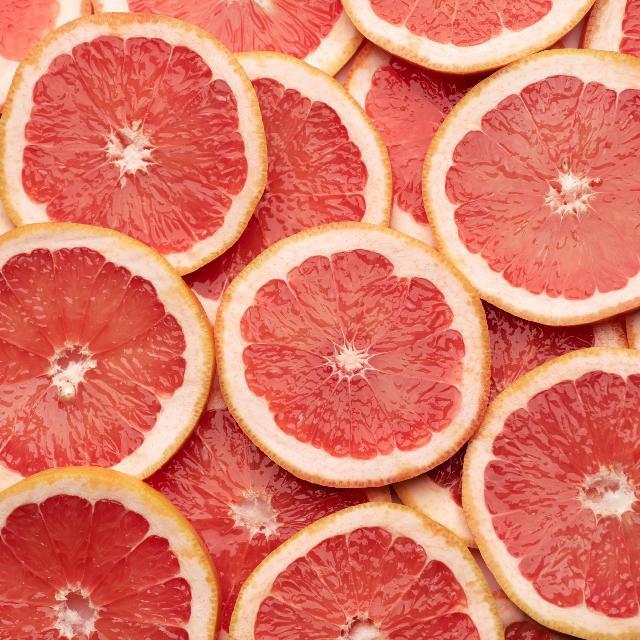
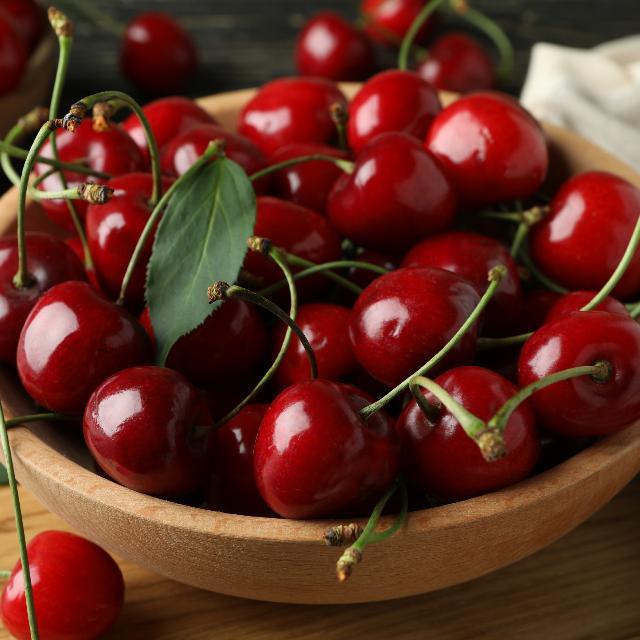
The nose opens with grapefruit zest, red cherry, and citrus, giving the wine a lifted and quietly expressive aromatic profile. On the palate, lively acidity keeps the fruit bright, while a soft, textured body adds just enough mid-palate weight to make the wine feel polished rather than slight. The finish is crisp, dry, and mineral, making it especially well suited to Mediterranean-style dishes, seafood, summer salads, or long lunches in warm weather where its freshness can really shine.
Made very much for youthful drinking, this is a rosé that delivers immediacy and ease without sacrificing finesse.
The nose opens with grapefruit zest, red cherry, and citrus, giving the wine a lifted and quietly expressive aromatic profile. On the palate, lively acidity keeps the fruit bright, while a soft, textured body adds just enough mid-palate weight to make the wine feel polished rather than slight. The finish is crisp, dry, and mineral, making it especially well suited to Mediterranean-style dishes, seafood, summer salads, or long lunches in warm weather where its freshness can really shine.
Made very much for youthful drinking, this is a rosé that delivers immediacy and ease without sacrificing finesse.
The estate Tempranillo was whole-bunch pressed to preserve its pale color and fresh fruit profile. Fermentation took place in stainless steel, after which the wine spent three months on its fine lees to build subtle mid-palate texture without compromising its crisp, vibrant style. The overall cellar approach keeps the emphasis on purity, freshness, and immediate drinkability
Winemaker: Craig McNaught
Winemaker: Craig McNaught
In 1995 the McNaught family purchased an old fruit farm. This property is now known as Stony Brook. With a strong focus on Cabernet Sauvignon, Semillon and Chardonnay, the McNaught family replanted the entire farm to vines and built a small cellar in which to produce the first wines under the Stony Brook label.
As time has passed, the ideals of Stony Brook have remained firmly in place and the wines still reflect a strong sense of place and passion. In 2011, the owners were joined by their son, Craig McNaught, who took over the reigns as winemaker. The latest revelation at Stony Brook has been the introduction of Tempranillo vines to the property, comprising the only component in one of their critically-acclaimed wines, Ovidius.
As time has passed, the ideals of Stony Brook have remained firmly in place and the wines still reflect a strong sense of place and passion. In 2011, the owners were joined by their son, Craig McNaught, who took over the reigns as winemaker. The latest revelation at Stony Brook has been the introduction of Tempranillo vines to the property, comprising the only component in one of their critically-acclaimed wines, Ovidius.